
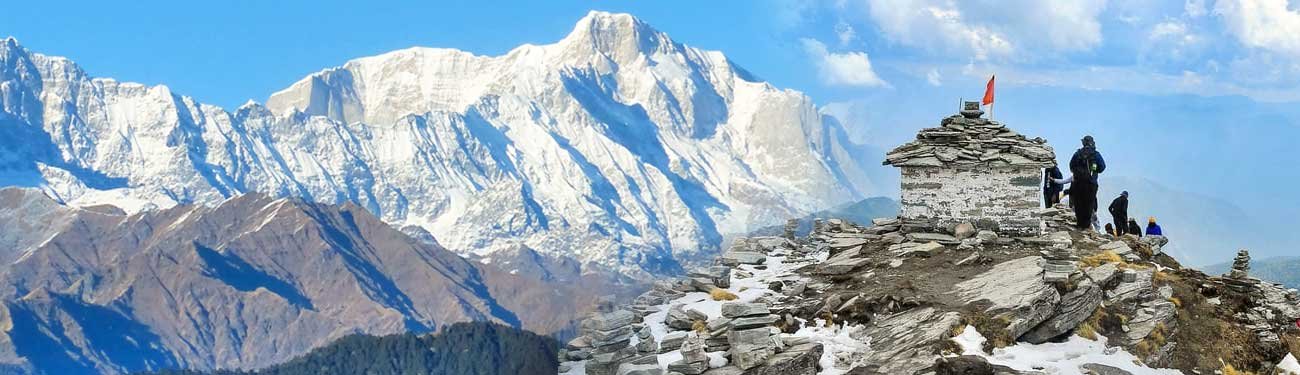
The Char Dham Yatra is one of India’s most sacred and spiritually transformative pilgrimages, encompassing the four holy shrines of Yamunotri, Gangotri, Kedarnath, and Badrinath. Every year, thousands of devotees embark on this journey seeking spiritual fulfillment, divine blessings, and a profound connection with nature. The pilgrimage is set amidst the majestic Himalayan ranges, offering breathtaking landscapes, challenging treks, and a deep cultural experience.
Proper planning is essential to ensure your journey is safe, smooth, and spiritually enriching. This guide provides detailed insights on travel, accommodation, rituals, trekking tips, and safety measures to help you make the most of your Char Dham Yatra.
A successful pilgrimage starts with meticulous planning. The Char Dham route spans long distances across the Himalayan terrain, which can be physically and mentally demanding.
Choose Your Travel Mode: Decide between private cars, taxis, or joining a guided tour. Guided tours often manage logistics, accommodation, and darshan schedules efficiently.
Seasonal Considerations: The yatra season typically runs from April/May to October, depending on weather conditions and snow clearance at high-altitude passes.
Physical Fitness: Kedarnath and Yamunotri require trekking, often through steep, rugged terrain. Engage in moderate trekking, cardio exercises, and stamina-building activities before your trip.
Necessary Documents: Carry valid ID proofs, vaccination certificates, and permits if required for high-altitude regions.
Pro Tip: Hiring a local guide familiar with terrain, weather, and temples can significantly reduce travel stress and improve your overall experience.
Comfortable lodging is essential for a smooth yatra. Options range from budget dharamshalas to hotels and resorts that offer modern amenities and easy access to the temples.
Book accommodations well in advance, especially during peak pilgrimage season.
Opt for hotels or guesthouses close to temple entrances to minimize travel time.
Ensure basic amenities such as hot water, clean bedding, and hygienic meals.
Consider dharamshalas for an authentic spiritual experience and the opportunity to interact with fellow pilgrims.
Yamunotri & Gangotri: Uttarkashi offers various guesthouses and small hotels.
Kedarnath: Gaurikund or Sonprayag provides convenient access to the trek.
Badrinath: Numerous hotels and dharamshalas within walking distance of the temple.
Pro Tip: Some accommodations offer Char Dham packages that include transportation, guided tours, and darshan bookings, simplifying the journey for pilgrims.
Traveling between the four dhams requires careful planning, given the winding mountain roads and unpredictable weather.
Road Transport: State-run buses, taxis, and private vehicles connect all four shrines. Roads can be narrow and prone to landslides; always allow extra travel time.
Trekking Access: Kedarnath and Yamunotri involve treks ranging from 6 km to 13 km. Carry light backpacks, trekking sticks, and sturdy footwear.
Helicopter Services: Helicopter rides are available for Kedarnath and sometimes for Badrinath, providing quicker and safer access for those with physical constraints.
Pro Tip: Keep a printed copy of routes and local helpline numbers for emergency situations.
The Char Dham Yatra is deeply spiritual. Familiarity with rituals and temple protocols enhances the pilgrimage experience.
Attend morning and evening aartis, considered auspicious times for worship.
Dress modestly and wear comfortable, slip-resistant footwear for treks.
Follow temple etiquette: remove shoes, avoid touching sanctum surfaces, and maintain silence inside shrines.
Carry prasad or small offerings if desired, and participate respectfully in rituals.
Pro Tip: Visiting local temples and attending bhajans offers insight into regional spiritual traditions.
Food and hydration are critical during the Char Dham Yatra. The Himalayan terrain can be challenging, and maintaining energy is essential.
Stick to light, vegetarian meals to avoid digestive issues at high altitudes.
Drink only boiled, filtered, or bottled water.
Carry energy bars, nuts, or dry fruits for trekking and long travel days.
Try regional specialties:
Yamunotri: Herbal teas and simple lentil dishes
Gangotri: Buckwheat-based preparations and steamed vegetables
Kedarnath: Freshly cooked dal-rice and chapatis
Badrinath: Khichdi, boiled vegetables, and local herbal drinks
Pro Tip: Avoid alcohol and smoking, as they may affect stamina and acclimatization.
Proper packing ensures comfort, safety, and preparedness for unpredictable mountain conditions.
Warm clothing, waterproof jackets, and thermal wear.
Trekking shoes, gloves, and extra socks.
First-aid kit with medicines for headaches, cold, and mild altitude sickness.
Trekking poles, water bottles, sunscreen, sunglasses, and hats.
Lightweight backpacks for daily trekking essentials.
Pro Tip: Carry a power bank and basic toiletries; electricity and stores may be limited in remote areas.
Safety is paramount on the Char Dham Yatra. High-altitude terrain, unpredictable weather, and remote areas require vigilance.
Check weather forecasts and plan your trek accordingly.
Follow marked trekking paths; avoid shortcuts.
Acclimatize gradually to prevent altitude sickness.
Keep emergency contacts and helpline numbers handy.
Travel in groups; solo treks can be risky.
Pro Tip: Carry a GPS-enabled device or offline map to navigate remote trails safely.
Respecting local culture and traditions enhances the pilgrimage experience and ensures harmonious interaction with local communities.
Greet locals respectfully and observe temple customs.
Avoid loud music, photography in restricted areas, and inappropriate attire.
Participate in rituals with devotion but do not disturb others.
Support local artisans by purchasing souvenirs directly from them.
Pro Tip: Learning a few Hindi phrases helps communicate with villagers and guides, fostering goodwill.
Efficient planning helps cover all four dhams comfortably while accommodating trekking and travel challenges.
Yamunotri: Begin early from Uttarkashi, trek 13 km to the temple.
Gangotri: Travel via Uttarkashi; explore nearby Gaumukh glacier if time permits.
Kedarnath: Trek 6–13 km from Gaurikund; helicopter services are available.
Badrinath: Accessible by road; visit Mana Village, Tapt Kund, and other local attractions.
Pro Tip: Allow extra days for acclimatization and potential delays due to weather or road conditions.
The Char Dham route passes through remote Himalayan villages. Supporting local communities benefits both the region and your pilgrimage experience.
Stay in locally owned guesthouses or dharamshalas.
Hire local guides and porters for trekking assistance.
Purchase handicrafts, souvenirs, and local products directly from artisans.
Participate in community events or temple rituals when appropriate.
Pro Tip: Share your experiences with friends and online communities to encourage responsible pilgrimage practices.
The Char Dham Yatra is more than a journey — it is a spiritual transformation that combines devotion, natural beauty, and cultural immersion. By planning effectively, staying healthy, respecting traditions, and supporting local communities, you can ensure a smooth and meaningful pilgrimage.
This ultimate guide equips you with practical tips, insights, and resources to make your Char Dham Yatra safe, comfortable, and spiritually fulfilling. With proper preparation, your journey will be memorable, inspiring, and deeply rewarding.
At Trip Way Bazaar, we specialize in curating seamless and enriching Char Dham Yatra experiences. From comfortable accommodations and trusted guides to transportation and itinerary planning, we ensure every aspect of your pilgrimage is handled professionally. Experience the sacred journey with expert support and make your spiritual dreams a reality.
© Copyright 2024- Balaji Tour & Travel. All Rights Reserved. Designed By : Creative Digital Infotech